
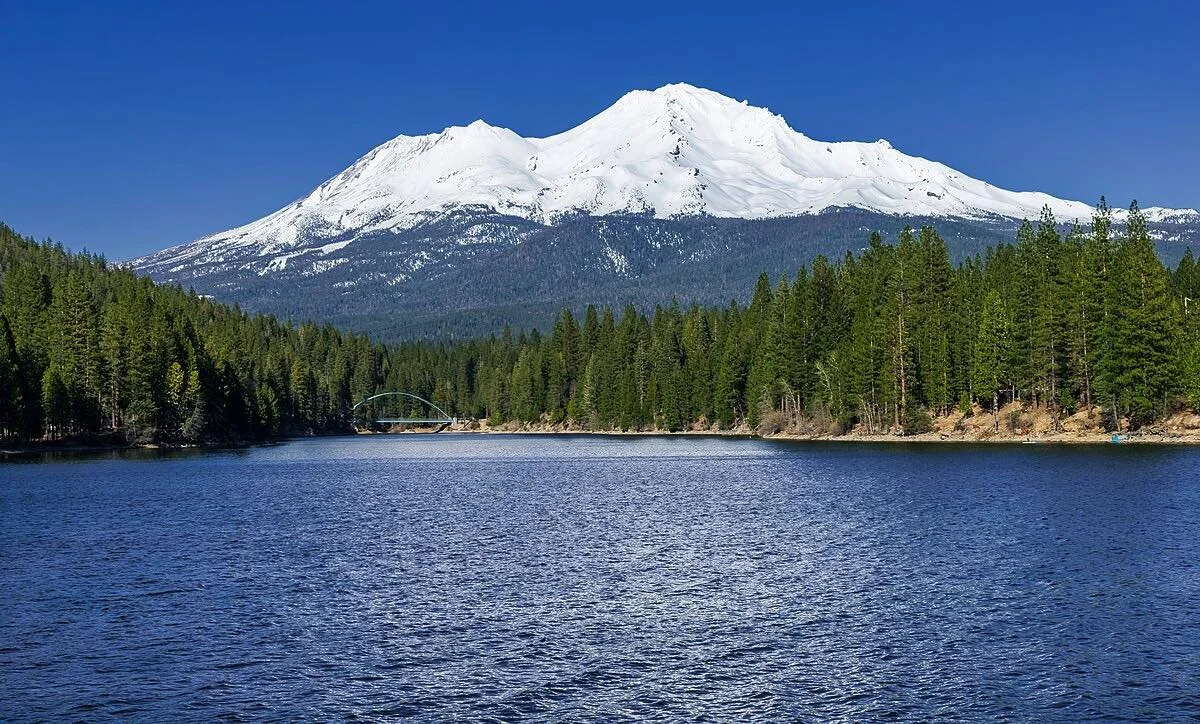
An Honest Economy for Siskiyou County
Where the Klamath runs free, the Karuk keep the fire, and the mountains remember everything
Siskiyou County is raw, rugged, and deeply rooted. The Karuk Nation has stewarded these forests and rivers since time immemorial. The Klamath River — once choked by dams — is being set free in the largest dam removal in American history. Timber communities lost everything when the mills closed. Ranchers can't find doctors, teachers, or insurance. Siskiyou doesn't need sympathy. It needs investment that respects who it is. These three bills deliver that.
The River Is Coming Back. The Economy Should Too.
The Klamath dams are coming down — the biggest dam removal project in history. But salmon recovery doesn't happen automatically, and neither does economic recovery for the timber communities that lost their livelihoods decades ago. Meanwhile, Siskiyou can't keep a doctor, can't get affordable insurance, and can't build workforce housing for the people it recruits. These three bills address the forests, the river, and the infrastructure — not with promises, but with drafted federal legislation you can read yourself.
American Forest Resilience & Timber Economy Act
Karuk fire keepers managed these forests for millennia — this bill gives them that authority back and brings the timber jobs with it
Siskiyou's forests are overgrown and burning because federal policy suppressed the very fires that kept them healthy. The Karuk Nation knew this. They've been practicing cultural burning for thousands of years — and for most of that time, the government told them to stop. This bill recognizes cultural burning as a sovereign right, not a permit to be granted. It establishes Indigenous co-stewardship so tribal nations and federal agencies manage the land together, as equals. Siskiyou is designated as a Forestry Resilience Zone, unlocking federal investment in sustainable timber manufacturing — mass timber, cross-laminated timber (CLT), and value-added wood products that create real jobs in communities where the old mills once stood. And it funds workforce training so local people — not outsiders — fill those positions.
American Coastal & Marine Ecosystem Restoration Act
The dams are coming down — but the salmon need more than an open river to come home
The removal of four dams on the Klamath River is historic. But taking down concrete doesn't automatically bring back the salmon runs that the Karuk Nation depends on for cultural survival, food sovereignty, and their fishing economy. This bill contains an entire title — Title IV — dedicated to the Klamath and Trinity Rivers. It funds comprehensive salmon recovery from headwaters to ocean: habitat restoration, water temperature management, spawning ground rehabilitation, and passage improvement across every tributary. It protects tribal fishing rights as treaty obligations — not privileges to be negotiated away. It supports dam removal transition funding so communities affected by the change have real economic alternatives. And it establishes water-sharing agreements that balance agricultural needs with the river flows that salmon require to survive and reproduce.
Rural Prosperity and Security Act
You can't keep a community alive if the doctor leaves, the insurance disappears, and there's nowhere to live
Siskiyou County's infrastructure gaps aren't inconveniences — they're existential. When the only doctor in a rural area retires and nobody replaces them, families drive hours for basic care. When insurance companies pull out, ranchers and homeowners can't protect what they've spent a lifetime building. When there's no affordable housing, the teachers and nurses you recruit don't stay. This bill treats all of these problems as the connected system they are. It funds healthcare workforce recruitment with loan forgiveness for providers who commit to rural communities. It stabilizes the insurance market so coverage stays available and affordable. It invests in broadband, roads, and water security — the infrastructure that makes remote communities function. And it creates workforce housing so the people Siskiyou needs can actually afford to live there. Every program is designed to work in places with 44,000 people spread across 6,300 square miles.
Every Bill Meets These Standards
Not campaign promises — tested principles. Drafted legislation with constitutional analysis, fiscal scoring, and real accountability. Read them and decide.